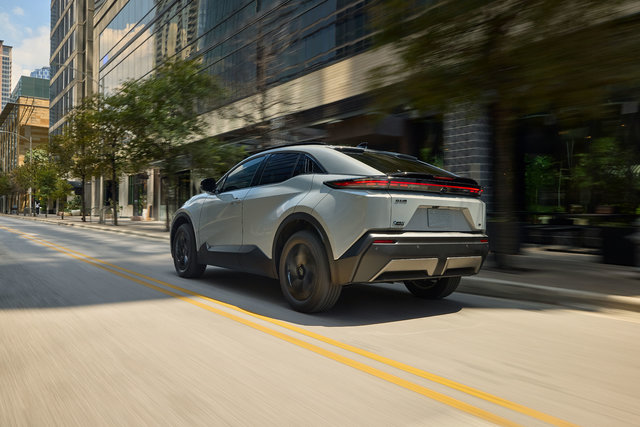
Battery electric vehicles are designed to be simpler, quieter, and easier to maintain than traditional gasoline-powered vehicles. With fewer moving parts, no engine oil, and reduced wear on braking components, owning a Toyota battery electric vehicle can lower maintenance costs while delivering dependable performance. That said, there are still important steps you should follow to keep your Toyota EV running efficiently, protect battery health, and maximize long-term value.
This guide walks through the key areas of Toyota battery electric vehicle maintenance, from battery care and charging habits to tires, brakes, software updates, and seasonal considerations.
Understanding Your Toyota EV Battery
The high-voltage battery is the heart of your Toyota battery electric vehicle. Toyota engineers design these batteries to last for many years, but your daily habits can play a role in preserving performance and range over time.
One of the most important things to remember is that lithium-ion batteries prefer moderate use. Regularly charging to 100 percent or consistently running the battery to very low levels can increase wear over time. For everyday driving, it is generally recommended to keep your battery between about 20 percent and 80 percent when possible. Charging to 100 percent is perfectly fine when you need maximum range for a trip, but it does not need to be your default routine.
Temperature also affects battery health. Parking in a garage during extremely hot or cold weather can help protect the battery and maintain consistent performance. Many Toyota EVs also include battery thermal management systems, which help regulate temperature automatically, but minimizing exposure to extreme conditions is still beneficial.
Smart Charging Habits
Charging is one of the biggest differences between maintaining an electric vehicle and a gasoline vehicle. Developing good charging habits can help maintain battery performance and improve convenience.
Level 2 home charging is often considered the best balance for daily use. It charges faster than a standard outlet while still being gentle on the battery. DC fast charging is extremely useful for road trips and long drives, but frequent use of fast chargers can generate more heat and should be used primarily when needed.
If your Toyota EV allows scheduled charging, take advantage of it. Charging overnight or during cooler times of day can reduce stress on the battery. Some owners also choose to schedule charging to finish shortly before they leave, which helps ensure the battery is at an optimal temperature.
Brake System Maintenance
One advantage of Toyota battery electric vehicles is regenerative braking. When you lift off the accelerator, the vehicle uses the electric motor to slow down and send energy back to the battery. This reduces wear on traditional brake components and can significantly extend the life of brake pads and rotors.
Even though brakes wear more slowly, they still require periodic inspection. Moisture, road salt, and lack of frequent heavy braking can sometimes cause surface rust or buildup. Routine inspections during scheduled service visits help ensure everything continues to function properly.
It is also a good idea to occasionally apply the brakes more firmly during normal driving to keep components clean and working smoothly, especially in areas with winter road salt.
Tire Maintenance Matters More in EVs
Electric vehicles tend to be heavier due to the battery pack, and they deliver instant torque. This combination can lead to faster tire wear compared to traditional vehicles. Proper tire maintenance is essential for safety, ride comfort, and maximizing driving range.
Check tire pressure regularly, especially during seasonal temperature changes. Underinflated tires increase rolling resistance, which reduces range and causes uneven wear. Rotating your tires at recommended intervals helps ensure even wear and longer lifespan.
Using the correct tires also matters. Many Toyota EVs are equipped with low rolling resistance tires designed to improve efficiency. When it comes time for replacement, choosing similar tires can help maintain optimal performance and range.
Keep Software Up to Date
Toyota battery electric vehicles rely heavily on software to manage battery performance, charging, regenerative braking, and overall efficiency. Periodic software updates can improve range estimates, charging behavior, and even add new features.
Some updates may be delivered over the air, while others may be performed during scheduled service visits. Keeping your vehicle connected and following recommended service intervals ensures your Toyota EV continues operating at its best.
Cooling System and Fluids
Although electric vehicles do not require engine oil changes, they still use fluids for cooling and other systems. Your Toyota EV may include coolant for the battery pack, power electronics, and electric motor.
These systems are designed for long service intervals, but they should still be inspected according to your maintenance schedule. Proper coolant levels and condition help regulate temperature and maintain long-term battery performance.
Windshield washer fluid, brake fluid, and cabin air filters also require periodic checks and replacement. These items are similar to what you would expect in any modern vehicle.
12-Volt Battery Care
In addition to the high-voltage battery, Toyota battery electric vehicles also include a traditional 12-volt battery. This smaller battery powers accessories, lights, and control systems. Like any vehicle, this battery can wear out over time and may require replacement every few years.
If you notice slow system startup, warning messages, or unusual electrical behavior, the 12-volt battery may need to be checked. Routine inspections during service visits help prevent unexpected issues.
Seasonal EV Maintenance Tips
Canadian driving conditions can vary dramatically throughout the year, and seasonal changes can affect your Toyota EV.
In winter, colder temperatures can temporarily reduce driving range. Preconditioning your vehicle while it is plugged in can help warm the cabin and battery without using stored energy. Clearing snow and ice from wheel wells also prevents buildup that can affect efficiency.
During summer, try to park in shaded areas or garages when possible. Extreme heat can increase battery temperatures and reduce charging efficiency. Using scheduled charging during cooler nighttime hours can help maintain optimal conditions.
Routine Service Still Matters
Even though Toyota battery electric vehicles require less maintenance overall, routine service visits remain important. Technicians can inspect suspension components, steering systems, brakes, tires, and electrical connections. These checks help ensure your vehicle continues performing safely and efficiently.
Following the recommended maintenance schedule in your owner’s manual is the best way to protect your investment. Toyota-trained technicians also have specialized knowledge and equipment designed specifically for Toyota electric vehicles.
Long-Term Ownership Benefits
Maintaining your Toyota battery electric vehicle is straightforward and often less expensive than maintaining a gasoline vehicle. With no oil changes, fewer moving parts, and reduced brake wear, many owners enjoy lower overall maintenance costs.
By following smart charging habits, keeping tires properly maintained, staying up to date with software, and scheduling routine inspections, you can help maximize battery life and driving range for years to come.
Toyota battery electric vehicles are built for reliability, efficiency, and everyday usability. With proper care and simple maintenance practices, your EV can continue delivering smooth, quiet, and dependable performance for the long road ahead.