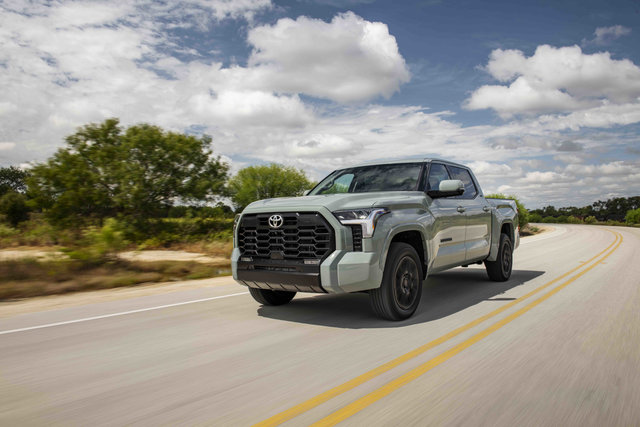
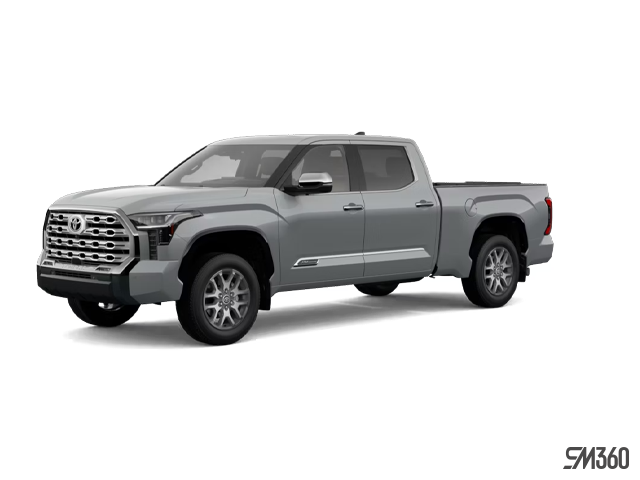
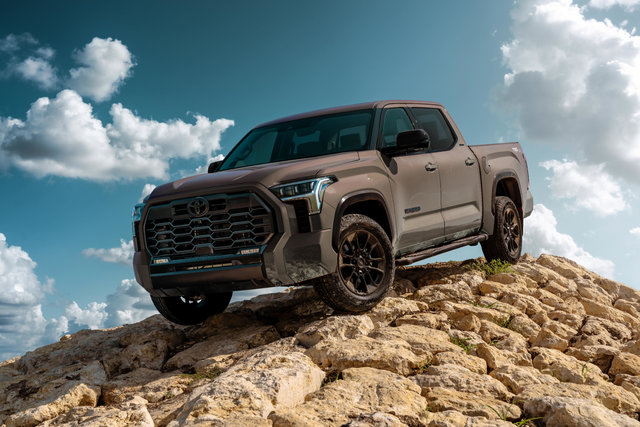
The fishing industry in Southwest Nova Scotia demands equipment that can handle heavy loads, withstand harsh coastal conditions, and deliver reliable performance day after day. For lobster fishers and commercial operators in Yarmouth and surrounding areas, the 2026 Toyota Tundra offers the towing capacity, bed utility, and durability needed to support demanding work schedules on and off the water.
From hauling traps and gear to navigating rough coastal roads, the Tundra's engineering addresses the specific challenges faced by fishing professionals. With multiple powertrain options and bed configurations, this full-size pickup provides practical solutions for the unique requirements of maritime work in Nova Scotia.
Towing Capacity That Handles Heavy Fishing Gear
The 2026 Tundra offers towing capabilities designed for substantial loads. The 4x4 models equipped with the 3.4 L twin turbo intercooled V6 engine deliver 389 horsepower and 479 lb-ft of torque, enabling a maximum towing capacity of up to 5,440 kg (11,991 lbs). This power allows operators to transport boat trailers, equipment trailers, and heavy fishing gear without compromise.
For those requiring even greater capability, the i-FORCE MAX hybrid powertrain produces a combined 437 horsepower and 583 lb-ft of torque, with an impressive towing capacity of up to 5,067 kg (11,171 lbs). The hybrid system delivers 500 lb-ft of torque from a standing start, providing immediate pulling power when launching boats or navigating steep ramps at fishing harbours.
Every Tundra comes equipped with a heavy-duty tow hitch receiver and complete tow package, plus a trailer brake controller on 4x4 models. These features ensure safe, controlled towing whether hauling a work boat to the wharf or transporting equipment between storage facilities and the water.
Bed Configurations for Different Fishing Operations
The Tundra's bed options accommodate varying cargo needs across different fishing operations:
Regular Bed (5.5-foot or 6.5-foot):
- Suitable for daily gear transport and shorter equipment
- Available on CrewMax and Double Cab configurations
- Provides easier manoeuvrability in tight harbour parking areas
Long Bed (6.5-foot or 8.1-foot):
- Handles full-length traps, buoys, and extended equipment
- Reduces need for multiple trips when loading gear
- Accommodates larger tool storage systems
All Tundra beds are constructed from high-strength sheet-molded compound that resists dents, dings, and rust—critical for equipment exposed to saltwater environments. The bed includes a header rail and side rails with four adjustable tie-down cleats, allowing secure fastening of traps, ropes, and other fishing gear during transport.
At a Glance: 2026 Tundra Capabilities for Fishing Operations
|
Specification
|
4x4 Gas Models
|
i-FORCE MAX Hybrid
|
|
Maximum Towing
|
Up to 5,440 kg (11,991 lbs)
|
Up to 5,067 kg (11,171 lbs)
|
|
Torque
|
479 lb-ft
|
583 lb-ft
|
|
Fuel Tank
|
122 L
|
122 L
|
|
Bed Options
|
5.5', 6.5', or 8.1'
|
5.5' or 6.5'
|
|
Payload
|
Up to 855 kg (1,885 lbs)
|
Up to 750 kg (1,653 lbs)
|
Powertrain Options: Gas vs. Hybrid
The Tundra offers two distinct powertrains, each suited to different operational priorities:
3.4 L Twin Turbo V6 (Gas):
- 389 horsepower and 479 lb-ft of torque (4x4 models)
- 10-speed automatic transmission with TOW/HAUL modes
- Maximum towing: 5,440 kg (11,991 lbs)
- Best for operators prioritizing maximum towing capacity
i-FORCE MAX Hybrid:
- 437 horsepower and 583 lb-ft of torque
- Fuel efficiency rating: 11.7 L/100 km combined
- Instant torque delivery from standing start
- Best for operators seeking improved fuel economy without sacrificing capability
Both powertrains feature a 122 L fuel tank, providing extended range between fill-ups—valuable for fishing operations that require early morning departures and long days on the road.
Durability Features for Coastal Conditions
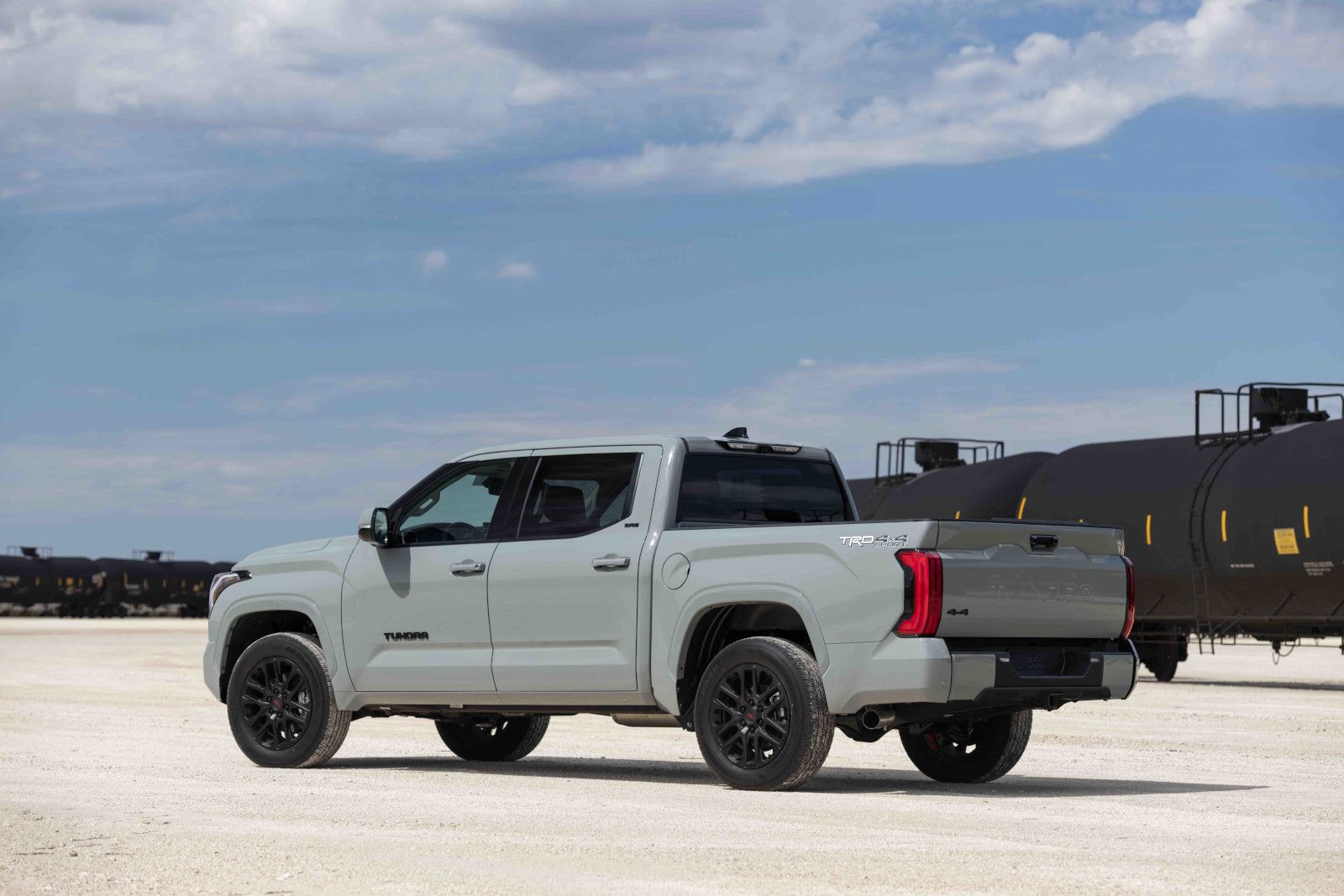
Working near saltwater demands vehicles built to withstand corrosive environments. The Tundra incorporates several design elements that support longevity in coastal regions:
- Sheet-molded compound bed construction resists rust and corrosion
- Fully-boxed ladder frame provides structural rigidity
- Heavy-duty tow hitch receiver engineered for repeated use
- Windshield wiper deicer and rear window defogger for maritime weather conditions
The body-on-frame chassis design delivers the structural strength needed for consistent heavy-duty use, while hydraulic cab mounts (on Limited grades and above) reduce vibration and improve ride comfort during long drives between fishing grounds and processing facilities.
Trim Comparison: Finding the Right Tundra for Your Operation
|
Feature
|
SR/SR5
|
TRD Off Road
|
Limited/Platinum
|
|
Engine
|
3.4 L V6 (389 hp)
|
3.4 L V6 (389 hp)
|
3.4 L V6 or i-FORCE MAX
|
|
Bed Options
|
5.5', 6.5', or 8.1'
|
5.5' or 6.5'
|
5.5' or 6.5'
|
|
Key Features
|
Fabric seats, 8" touchscreen, backup camera
|
TRD shocks, locking differential, crawl control
|
Leather seats, panoramic moonroof, 14" touchscreen
|
|
Best For
|
Budget-conscious operators
|
Rough terrain access
|
Operators wanting premium comfort
|
Safety and Technology for Work Vehicles
Every Tundra includes Toyota Safety Sense 2.5, featuring:
- Pre-Collision System with Pedestrian Detection
- Lane Tracing Assist
- Dynamic Radar Cruise Control
- Automatic High Beam
For fishing operations that often begin before dawn or extend past sunset, these systems provide additional awareness during low-visibility conditions. The backup camera with back guide monitor assists when reversing trailers at boat launches, while the available Panoramic View Monitor (on higher trims) offers a complete view around the vehicle when navigating tight harbour parking areas.
Practical Considerations for Fishing Professionals
When selecting a Tundra for fishing operations, consider these factors:
Cab Configuration:
- Double Cab: Seats up to five, shorter wheelbase for manoeuvrability
- CrewMax: More interior space, better for crews or extended gear storage
Bed Length:
- Regular Bed: Easier parking, suitable for standard equipment
- Long Bed: Accommodates full-length gear, reduces stacking needs
Powertrain:
- Gas: Maximum towing capacity, familiar maintenance
- Hybrid: Better fuel economy, instant torque for launching boats
Trim Level:
- SR/SR5: Core capability at accessible pricing
- TRD Off Road: Enhanced for accessing remote fishing locations
- Limited/Platinum: Added comfort for long drives
Experience the 2026 Tundra at Tusket Toyota
The 2026 Toyota Tundra delivers the towing capacity, bed utility, and durability required for fishing operations in Southwest Nova Scotia. From hauling traps to transporting equipment, this full-size pickup is engineered to support the demanding work of maritime professionals.
Visit Tusket Toyota in Yarmouth to explore the Tundra's capabilities firsthand. Our team understands the specific needs of fishing operators in the region and can help you select the configuration that best supports your operation.