Choosing a vehicle is about more than finding something that gets you from one place to another. It is about finding something that fits the way you live, the roads you travel, the people who ride with you, and the things you need to bring along.
That is one of the interesting things about the Toyota lineup. At first glance, the difference between a Corolla, a RAV4, a Highlander, and a Tundra might seem obvious. One is a sedan, another is an SUV, another offers three rows of seating, and the last is a full-size pickup.
But the differences go much deeper than body style.
As you move through the lineup, you begin to see how vehicle design changes around different priorities. Passenger space, cargo flexibility, power delivery, efficiency, ground clearance, and towing capability all play a role in determining what a vehicle is built to do.
So, what actually changes as you move from a Corolla to a Tundra? And how do you know when a larger or differently equipped vehicle makes sense for you?
Starting With the Corolla: Practicality Comes First
The Toyota Corolla is a good place to begin because it represents a straightforward approach to everyday driving.
For many drivers, the most important parts of vehicle ownership are the ones they experience every day. Getting to work, running errands, travelling to appointments, and making the occasional longer trip do not necessarily require a large vehicle.
The Corolla is designed around those everyday needs. Its compact dimensions make it convenient to maneuver and park, while its sedan layout provides a traditional passenger cabin and separate trunk.
Efficiency is another important consideration. The Corolla is available with gasoline and hybrid powertrain options in Canada, giving drivers different ways to approach fuel consumption and their budget.
The Corolla also demonstrates an important point about choosing a vehicle: bigger is not automatically better.
If you rarely carry several passengers or transport bulky items, a compact sedan may provide all the space you need without requiring you to drive or park a larger vehicle every day.
For someone who spends most of their time commuting or travelling around town, that simplicity can be a real advantage.
Moving Up to the Camry: More Room, a Different Experience
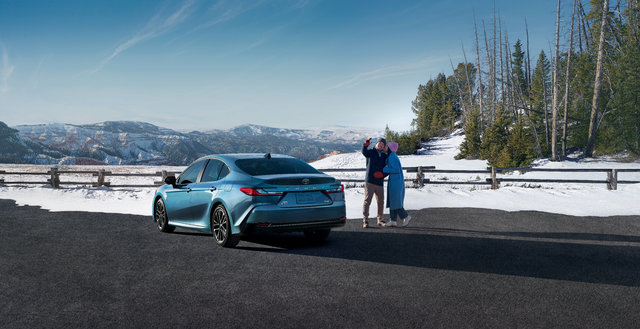
The Toyota Camry takes the familiar sedan format and expands on it.
As a midsize sedan, the Camry offers a larger cabin and more room for passengers than the compact Corolla. That additional space can make a difference for drivers who frequently travel with friends, family members, or adult passengers.
The Camry also offers a different balance of power and performance. Its hybrid powertrain combines gasoline and electric power to deliver a more powerful driving experience while maintaining a focus on fuel efficiency.
This is where the decision becomes more personal.
Some drivers prefer the compact dimensions and everyday practicality of the Corolla. Others appreciate having more interior space and additional power for highway travel.
Neither preference is wrong. The important thing is to consider how often you would benefit from the differences.
If you spend most of your time driving alone, the Corolla might make more sense. If you regularly travel with passengers or prefer a larger sedan, the Camry is worth considering.
Corolla Cross and RAV4: When a Sedan Becomes an SUV
The next step is not necessarily a larger sedan. For many drivers, it is a move into an SUV.
The Toyota Corolla Cross and RAV4 demonstrate how two vehicles with similar everyday purposes can offer different levels of space and versatility.
The Corolla Cross brings together compact dimensions and an SUV-style design. Its raised seating position, flexible cargo area, and available all-wheel drive make it an appealing option for drivers who want some of the advantages of an SUV without moving into a larger vehicle.
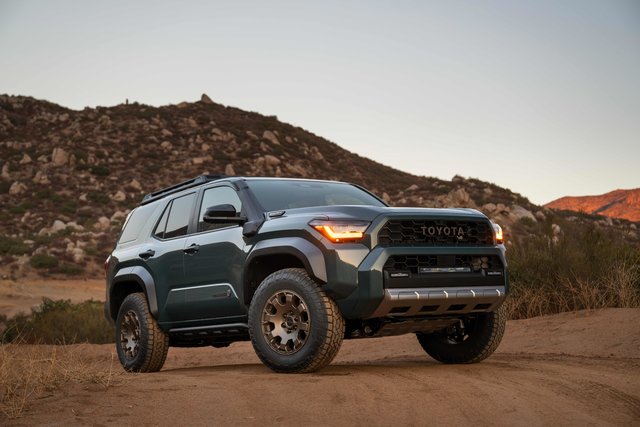
The RAV4 builds on that concept with a larger overall package. It offers additional room for passengers and cargo, making it worth considering for families, road trips, outdoor activities, and drivers who regularly carry larger items.
The difference becomes particularly noticeable when you start thinking beyond your daily commute.
Do you regularly load groceries, sports equipment, luggage, or camping supplies? Do you have a dog that travels with you? Would you appreciate additional cargo room for weekend projects?
These are the kinds of questions that help determine whether a smaller crossover or a larger SUV is the better fit.
It is also worth remembering that an SUV's usefulness does not come from its size alone. Cargo opening dimensions, rear-seat folding arrangements, and the height of the loading area can all influence how easy it is to use.
Highlander and Grand Highlander: Space for More People
For drivers who need additional passenger capacity, Toyota offers the Highlander and Grand Highlander.
Both provide three-row seating, but they are designed for buyers who may have different space requirements.
The Highlander offers a family-friendly SUV layout with room for multiple passengers and the flexibility to accommodate different combinations of people and cargo.
The Grand Highlander takes the idea of a three-row SUV further, with a larger overall design and an emphasis on providing additional passenger and cargo space.
That difference can become important when the third row is used regularly rather than occasionally.
For example, a family that only needs extra seating a few times each year may have different priorities from one that regularly transports several children, their friends, or extended family members.
Cargo space also matters. When all three rows are occupied, there may be less room behind the rear seats for luggage and other belongings. A larger three-row vehicle can help provide a more practical balance between carrying passengers and bringing along what they need.
Before choosing either model, it is worth trying the seats yourself. Check how easy it is to access the third row, how comfortable the seating feels, and how much cargo space remains when everyone is aboard.
The right choice depends on how you actually use the space, not simply how many seats the vehicle has.
A Different Direction: Toyota's Electric Vehicles
Not every step through the Toyota lineup involves a change in size. Another important difference is how a vehicle gets its power.
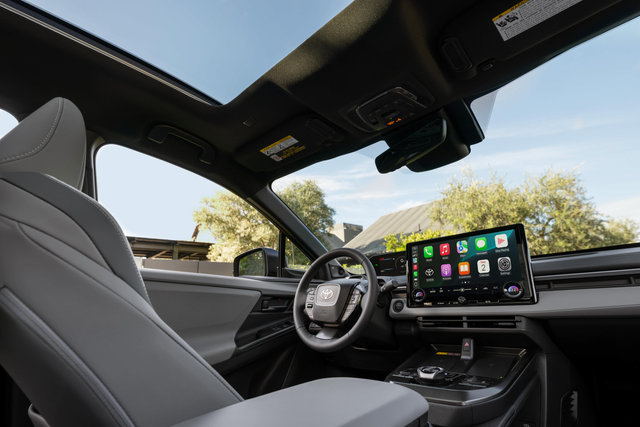
Toyota's Canadian lineup includes battery-electric vehicles such as the bZ and bZ Woodland. Rather than using a gasoline engine, these vehicles use electric motors powered by a rechargeable battery.
That changes several aspects of ownership.
Instead of visiting a gas station to refuel, electric vehicle owners recharge the battery at home or at compatible public charging stations. Driving range, charging access, trip distances, and charging time become important considerations when deciding whether an electric vehicle suits your routine.
For someone with predictable daily driving and convenient access to charging, an electric vehicle may be worth exploring. Someone who frequently takes longer trips or does not have convenient charging access may need to consider their travel habits more carefully.
The bZ and bZ Woodland also demonstrate that choosing an electric powertrain does not mean giving up the general practicality of an SUV. Both bring an SUV-style layout to an all-electric driving experience, with different design priorities within the lineup.
The lesson here is that choosing a vehicle involves more than deciding how much space you need. It also means considering how you want to power it and how that choice fits into your daily routine.
Tacoma and Tundra: Two Trucks, Different Jobs
Moving from Toyota's passenger vehicles and SUVs to its pickup trucks introduces another set of considerations.
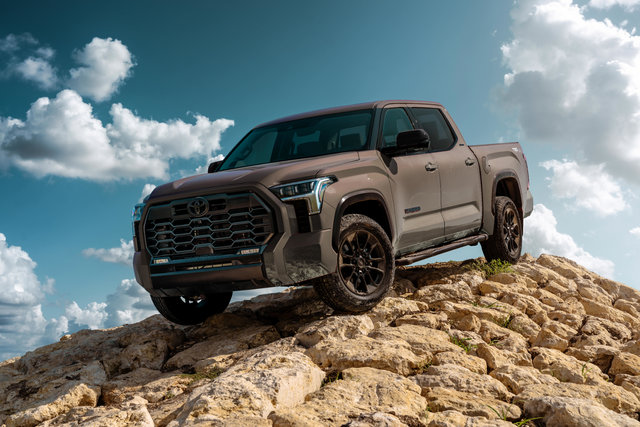
The Toyota Tacoma is a midsize pickup, while the Tundra is a full-size truck. Both are designed to offer pickup versatility, but their different sizes influence how they fit into everyday life.
The Tacoma may appeal to drivers who want an open truck bed and the capability of a pickup in a midsize package. It can be useful for outdoor recreation, home projects, hauling equipment, and other activities where a traditional trunk or SUV cargo area may not be ideal.
The Tundra takes the full-size approach. Its larger truck format and available powertrains make it an option for drivers who need a different level of performance, passenger room, or towing capability.
However, choosing between the two should involve more than deciding which truck looks bigger or more powerful.
Consider what you plan to tow, how much cargo you regularly carry, how many passengers need to fit inside, and where you will be driving. Also consider parking, garage dimensions, and how comfortable you feel manoeuvring a larger vehicle.
If you only occasionally transport a few items, a full-size truck may offer more vehicle than you need. If your work or recreational activities regularly require greater capability, the Tundra may be worth the additional size.
It is important to check the specific truck's towing and payload ratings before making a decision. Those limits vary by configuration, and the most suitable truck is the one that meets your actual requirements.
What Changes as You Move Through the Lineup?
Looking across the Toyota lineup, a few patterns become clear.
Space changes. Compact cars prioritize everyday practicality, while larger sedans and SUVs provide more room for passengers or cargo. Three-row SUVs introduce another level of flexibility for families who need additional seating.
The driving experience changes. Vehicle size, weight, seating position, powertrain, and suspension all influence how a vehicle feels on the road. A compact sedan and a full-size pickup are designed for different purposes, even when both are used for everyday transportation.
Capability changes. Some vehicles emphasize manoeuvrability and efficiency, while others offer additional cargo flexibility, available all-wheel drive, off-road-focused equipment, or towing capability.
Powertrain choices change. Depending on the model, Toyota buyers can explore gasoline, hybrid, plug-in hybrid, and battery-electric options. Each comes with different considerations for fuel or energy use, charging, driving habits, and ownership.
Most importantly, the price and size of a vehicle do not automatically determine how well it suits you. The best fit comes from balancing these differences against your needs.