Think back to the inside of a vehicle from 20 years ago. You might remember a traditional dashboard, a radio with physical buttons, a few storage compartments, and a collection of gauges directly in front of the steering wheel. Everything had a purpose, and most controls were designed to do one specific job.
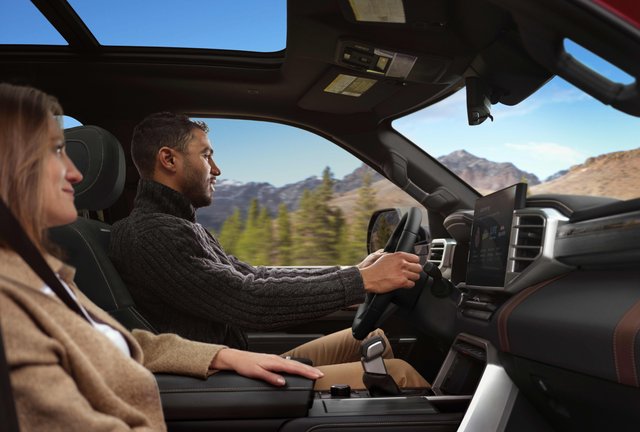
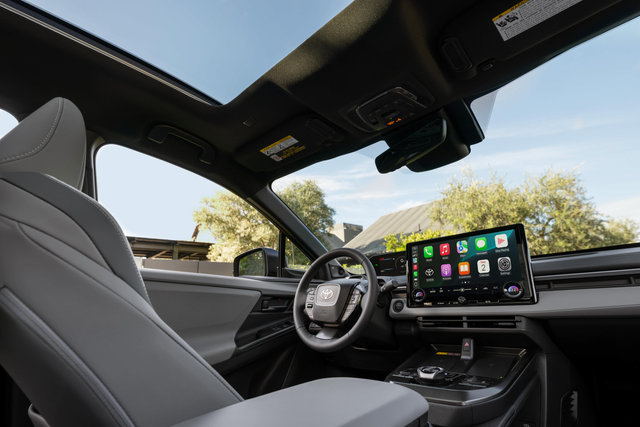
Now, step inside a modern Toyota. Depending on the model, you may find a large touchscreen, a digital driver display, smartphone connectivity, advanced safety technology, multiple charging options, and comfort features that would have been considered premium equipment years ago.
Over the past two decades, Toyota interiors have changed considerably. The biggest differences are not simply about adding more technology. They reflect how drivers use their vehicles today and how expectations around comfort, convenience, connectivity, and safety have evolved.
Let's take a closer look at how much has changed.
1. The Toyota Interior of 20 Years Ago
Toyota interiors from the mid-2000s were designed around straightforward controls and everyday functionality. A typical cabin featured a traditional instrument cluster, physical climate controls, a radio or CD player, and practical storage spaces.
For example, the 2006 Toyota Matrix offered equipment such as an AM/FM CD player, four or six speakers depending on the version, adjustable front seats, a split-folding rear seat, and power windows on its various trim levels. Higher trims added conveniences such as steering wheel controls and additional equipment.
These features were useful and well suited to the technology of the time. Drivers could adjust the temperature, change the radio station, and operate the vehicle without navigating through multiple screens or menus.
That simplicity was part of the appeal. Controls were generally easy to identify, and the cabin was designed to make everyday driving comfortable and manageable.
It is also worth remembering that equipment varied between models and trim levels, even back then. A higher-trim vehicle could offer features that were not available on a base model.
2. A New Focus on Comfort and Interior Design
One of the most noticeable changes over the years has been the way vehicle interiors are designed.
Older Toyota cabins often prioritized durability and straightforward functionality. Modern interiors continue to focus on those qualities, but they also place greater attention on materials, seating comfort, cabin layout, and the overall driving experience.
Today's Toyota lineup offers a wide range of interior designs. A Corolla is designed to make everyday commuting comfortable and convenient, while a Camry offers a different balance of space and refinement. SUVs such as the RAV4, Highlander, and Grand Highlander provide additional flexibility for passengers, families, and cargo.
Depending on the model and trim, drivers may find features such as heated front seats, power-adjustable seating, dual-zone automatic climate control, SofTex or leather-trimmed surfaces, and additional interior storage.
The difference is not just about making a vehicle look more modern. It is about making the cabin a more comfortable place to spend time, whether that means a short trip across town or several hours on the highway.
3. The Rise of In-Vehicle Technology
Perhaps the biggest visible change is the technology found in the centre of the dashboard.
Twenty years ago, the entertainment system was generally built around a radio and CD player. Some vehicles offered additional audio upgrades, but the idea of connecting your smartphone to a large vehicle display was still a long way from becoming an everyday expectation.
Today, technology plays a much larger role in the driving experience.
Many modern Toyota models offer touchscreen multimedia systems, Bluetooth connectivity, Apple CarPlay and Android Auto compatibility, and available wireless charging. Depending on the vehicle, drivers can access music, phone calls, navigation, and other compatible smartphone features through the multimedia system.
Toyota's multimedia technology has continued to evolve as well. The newest generation, introduced with the 2026 RAV4, includes a more customizable interface, enhanced voice assistant functions, and navigation information that can be displayed on the digital gauge cluster.
This is a significant change from the traditional radio and dashboard layout of earlier generations. However, the purpose remains much the same: giving drivers access to useful information and entertainment while making the experience more convenient.
It is important to remember that available technology varies by model, year, and trim level. Not every Toyota has the same display size or equipment package.
4. Safety Has Become Part of the Driving Experience
Interior technology has changed for another important reason: safety.
In the past, many of the safety features drivers interacted with were relatively straightforward. Seatbelts, airbags, warning lights, and basic vehicle controls were important parts of the driving experience.
Modern Toyota vehicles can offer a much broader range of driver-assistance technologies. Depending on the model, drivers may have access to features such as Lane Departure Alert, Dynamic Radar Cruise Control, Lane Tracing Assist, Road Sign Assist, and Pre-Collision Systems.
Toyota Safety Sense brings several of these technologies together in a suite designed to support driver awareness and decision-making.
Some of these systems provide alerts through sounds or messages on the instrument display. Others can provide assistance in certain driving situations. This means the dashboard is no longer just a place to check your speed and fuel level. It can also communicate important information about the road and the vehicle's surroundings.
Backup cameras, parking assistance features, and available blind spot monitoring have also changed the way drivers interact with their vehicles.
These technologies do not replace attentive driving. Instead, they provide additional information and assistance that can help drivers stay aware of their surroundings.
5. Everyday Convenience Has Come a Long Way
Some of the biggest improvements inside modern vehicles are not necessarily the most exciting ones. They are the little conveniences that make everyday driving easier.
Think about how often you use your vehicle's charging ports, adjust the temperature, connect your phone, or look for a place to store something. These small interactions happen regularly, and modern interiors are designed with many of them in mind.
Depending on the Toyota model and trim, drivers may now enjoy multiple USB charging connections, wireless smartphone integration, additional storage solutions, keyless entry, push-button start, and more advanced climate controls.
For families, features such as flexible seating arrangements, rear-seat climate vents, additional cup holders, and convenient access to cargo space can make a noticeable difference.
For commuters, a comfortable driver's seat, easy-to-use controls, and smartphone connectivity can make the daily drive more enjoyable.
These improvements show how vehicle interiors have become more connected to the routines of the people using them.
6. What Hasn't Changed?
With all the technology and design improvements, it is easy to focus on how different modern Toyota interiors look. However, some important priorities have remained consistent.
Practicality, usability, and thoughtful design are still important parts of the Toyota ownership experience.
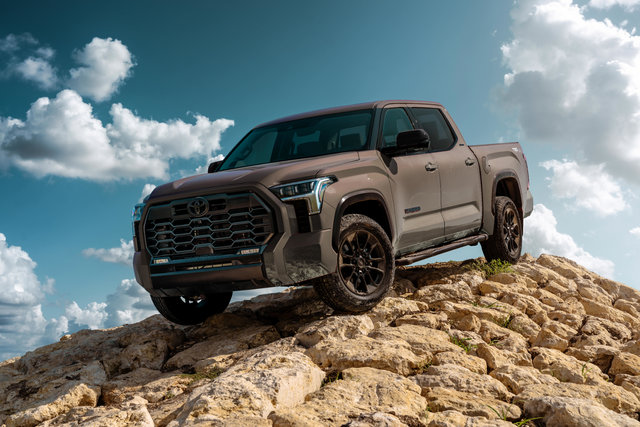
A vehicle should provide comfortable seating, useful storage, accessible controls, and enough flexibility to handle everyday needs. Whether someone is driving an older Corolla or a brand-new Tundra, those fundamentals still matter.
Toyota interiors have evolved to include more features and technology, but adding equipment is not the only measure of improvement. A well-designed cabin should make sense to the person sitting behind the wheel.
The best features are often the ones that become part of your routine without requiring much thought.
A Different Driving Experience, Built Around the Same Everyday Needs
Looking back over the last 20 years, it is clear that Toyota interiors have changed in many ways. Traditional radios have given way to advanced multimedia systems, simple instrument clusters have evolved into more informative displays, and modern safety technology has become an increasingly important part of the cabin.
Comfort and convenience have also continued to improve, giving drivers more options to choose from depending on their needs and preferences.
Yet the basic purpose of a vehicle interior remains the same. It should be comfortable, practical, easy to use, and designed to make every drive a little better.
If you have not stepped inside a newer Toyota in a few years, you might be surprised by just how much has changed.