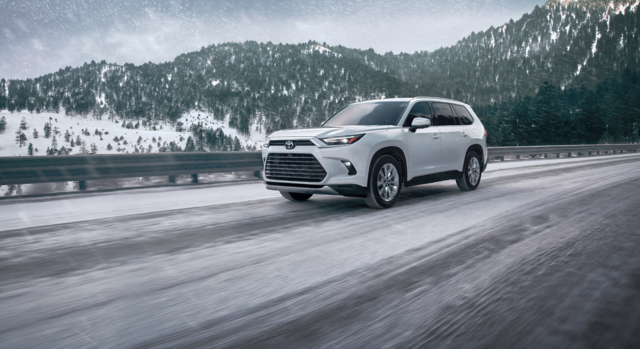
What Yarmouth and Southwest Nova Scotia drivers need to know about electric vehicle performance in cold weather
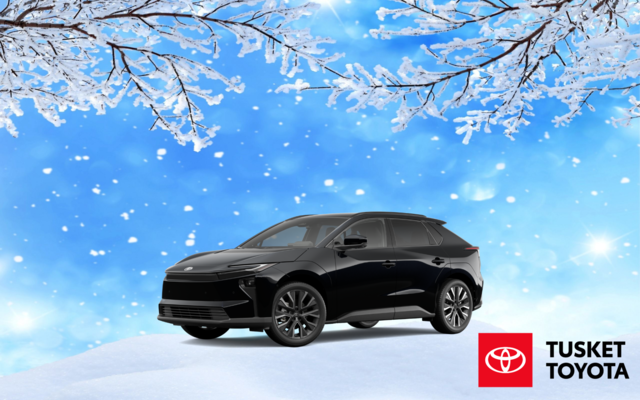
Winter in Nova Scotia is beautiful, with crisp air, snowy landscapes, and coastal views, but it also brings cold temperatures, icy roads, and challenging driving conditions. For drivers in Yarmouth, Tusket, and surrounding communities, winter performance is not optional, it is essential. If you are considering the 2026 Toyota bZ as your next vehicle, one of the biggest questions is how an all electric SUV handles a true Maritime winter.
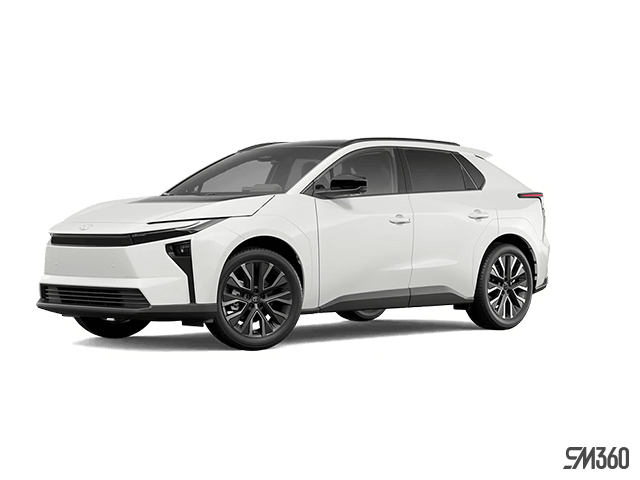
The good news is that the 2026 Toyota bZ has been designed with cold weather driving in mind. With improved battery technology, available all wheel drive, and thoughtful winter focused features, the bZ is well suited for everyday life in Southwest Nova Scotia.
Improved Range and Power for Cold Canadian Winters
For the 2026 model year, Toyota made meaningful upgrades to the bZ’s battery and powertrain, and these improvements are especially important in colder climates. The all wheel drive models now feature a larger 77 kilowatt hour lithium ion battery, offering an estimated driving range of up to 468 kilometres in ideal conditions. Front wheel drive models are equipped with a 57.7 kilowatt hour battery, delivering an estimated 380 kilometres of range.
Cold weather does affect all electric vehicles. When temperatures drop, battery chemistry slows and more energy is required to heat the cabin and condition the battery. In winter conditions, drivers can expect some reduction in range, often in the range of 20 percent depending on temperature and driving habits.
The 2026 bZ helps manage this with an improved thermal management system that keeps the battery closer to its ideal operating temperature. This system helps preserve usable range and supports better charging performance, even during cold mornings in Yarmouth County or along the South Shore.
Battery Pre Conditioning Makes a Real Difference
One of the most useful winter features in the 2026 Toyota bZ is battery pre conditioning. When a departure time is scheduled or a fast charging destination is set in the navigation system, the vehicle can warm the battery in advance.
This is especially helpful in Nova Scotia winters. A warm battery delivers better efficiency, more consistent range, and faster charging speeds. When the vehicle is plugged in at home, pre conditioning uses grid power rather than drawing from the battery, allowing you to start your drive with more available energy.
For drivers who commute early in the morning or park outside overnight, battery pre conditioning helps make winter driving more predictable and less stressful.
Cabin Heating That Preserves Range
Staying warm in winter matters, but in an electric vehicle, heating can impact driving range. The 2026 Toyota bZ addresses this with a heat pump system designed to warm the cabin efficiently using less battery power than traditional heating systems.
A heat pump works by moving heat rather than generating it, which reduces energy consumption in cold weather. This means you can stay comfortable without sacrificing as much range, whether you are heading into Yarmouth for errands or making the drive toward Digby or Meteghan.
The bZ also comes standard with heated front seats and a heated steering wheel. These features provide direct warmth and use less energy than heating the entire cabin. Using them strategically during winter drives can help maximize efficiency while keeping drivers comfortable.
All Wheel Drive Confidence on Snowy Roads
Winter roads in Southwest Nova Scotia can be unpredictable. Snowfall, freezing rain, slush, and black ice are all common, especially on rural roads. That is where the available all wheel drive system on the 2026 Toyota bZ makes a noticeable difference.
The bZ’s all wheel drive system distributes power to all four wheels, improving traction when conditions are slippery. This is especially helpful when accelerating from a stop, navigating icy intersections, or climbing snow covered hills.
When paired with proper winter tires, the bZ offers stable and confident handling on winter roads. The low centre of gravity created by the battery mounted under the floor also contributes to improved balance and control, which is an advantage during winter driving.
What to Expect From Winter Driving Range
Range anxiety is one of the most common concerns for drivers considering an electric vehicle, particularly in winter. While cold temperatures do reduce range, the real world impact is often less dramatic than expected for local driving.
In winter conditions, a bZ rated for up to 468 kilometres may realistically deliver closer to 330 to 380 kilometres, depending on temperature, driving style, and heating use. For most daily driving in Yarmouth County, that is more than enough.
Typical winter trips such as driving from Yarmouth to Digby, Wolfville, or around town can easily be completed on a single charge. Even longer trips, such as driving toward Halifax, are very manageable with planned charging stops along Highway 101.
Simple habits can also help maximize winter range. Pre conditioning the vehicle while plugged in, parking in a garage or sheltered area when possible, and using seat heaters instead of high cabin heat all contribute to better efficiency.
Charging in Cold Weather
Cold temperatures can also affect charging speeds, particularly when using DC fast chargers. A cold battery does not accept energy as quickly, which can slow charging sessions.
The 2026 Toyota bZ addresses this with its thermal management system and battery pre conditioning. By warming the battery before charging, the vehicle can charge more efficiently even in winter conditions.
Another important update for 2026 is the inclusion of the North American Charging Standard port. This gives bZ drivers access to a wider network of fast chargers across Nova Scotia and Atlantic Canada, making winter travel more convenient and flexible.
For most local drivers, home charging remains the easiest and most reliable option. Plugging in overnight allows the vehicle to recharge during off peak hours and start each day with a full battery, even in cold weather.
A Practical Winter Vehicle for Southwest Nova Scotia
Winter in Nova Scotia is not short, and choosing a vehicle that can handle the season is essential. The 2026 Toyota bZ combines improved battery technology, efficient heating, available all wheel drive, and expanded charging access to deliver a confident winter driving experience.
For drivers in Yarmouth, Tusket, and surrounding communities, the bZ offers a practical and comfortable way to drive electric year round. With the right preparation and winter driving habits, it is well suited to the realities of Maritime winters.
Whether you are commuting, running errands, or heading out on longer trips, the 2026 Toyota bZ is designed to handle Nova Scotia winters with confidence, efficiency, and peace of mind.