A test drive can be one of the most important parts of shopping for a vehicle. It is your opportunity to move beyond pictures, specifications, and first impressions and actually experience what it is like behind the wheel.
The problem is that a test drive can also go by very quickly.
You get in, adjust the seat, drive around the block, maybe accelerate a little, and before you know it, you're back at the dealership.
So how do you make the most of those few minutes?
You don't need to turn a test drive into a driving exam. Instead, pay attention to the things you will actually experience every day. Here are some of the areas worth checking during a short test drive.
1. Start Before You Start Driving
Your test drive begins the moment you open the door.
Take a moment to get comfortable in the driver's seat. Is it easy to get in and out? Can you adjust the seat and steering wheel to a comfortable position? Can you reach the controls without stretching or taking your attention away from the road?
Look around the cabin, too.
Do you have a clear view through the windshield? Are the mirrors easy to adjust? Can you see the instrument display clearly? Are the controls where you expect them to be?
These might seem like small details, but you could interact with them every time you drive.
2. Pay Attention to Visibility
One of the most important things you can evaluate from the driver's seat is how well you can see.
Look ahead, to the sides, and behind you. Check the size and position of the mirrors. Pay attention to blind spots and how easy it is to judge where the vehicle's corners are.
If the vehicle has a backup camera or other parking-assistance technology, use it as part of the test drive.
Good visibility can make a vehicle feel easier to drive, particularly in parking lots, busy streets, and tight spaces.
3. Notice How Comfortable You Are
You may only be driving for ten minutes, but try to imagine sitting in that seat for an hour.
Does the seat provide the support you want? Is the driving position comfortable? Do you have enough room for your legs, shoulders, and head?
If possible, adjust the seat to your normal driving position rather than leaving it in whatever position the previous person used.
Comfort is especially important because it is something you will notice every time you drive. A feature you only use occasionally might be nice to have, but a comfortable driving position is something you experience on every trip.
4. Listen to the Vehicle
Don't just listen to the engine.
Pay attention to the overall noise level inside the cabin. How much road noise can you hear? Do you notice wind noise? Does the vehicle feel quiet and composed over different surfaces?
Try driving on a few different types of roads if the opportunity is available.
A vehicle can feel very different on a smooth road compared with rough pavement. If you regularly drive on highways, spend some time at highway speeds. If most of your driving is around town, pay attention to how the vehicle behaves at lower speeds and during frequent stops.
5. Test the Steering and Brakes
You don't need to push the vehicle hard to learn a lot about how it drives.
Pay attention to how the steering feels. Does the vehicle respond naturally to your inputs? Does it feel easy to position in your lane?
When you brake normally, does the vehicle slow down smoothly and predictably?
Try a few ordinary turns and stops. You are not trying to see how quickly the vehicle can corner or brake. You are trying to understand how natural and comfortable it feels during everyday driving.
6. Try Parking
A parking lot can tell you a surprising amount about a vehicle.
Try backing into a parking space or pulling into one normally. Get a feel for the vehicle's size and turning radius.
If the vehicle has a backup camera, parking sensors, or other available driver-assistance features, see how they work.
Ask yourself a simple question: Could I comfortably park this vehicle in the places I normally go?
That might mean your workplace, grocery store, driveway, or a favorite downtown parking lot.
7. Try the Features You Will Actually Use
A test drive is not just about driving.
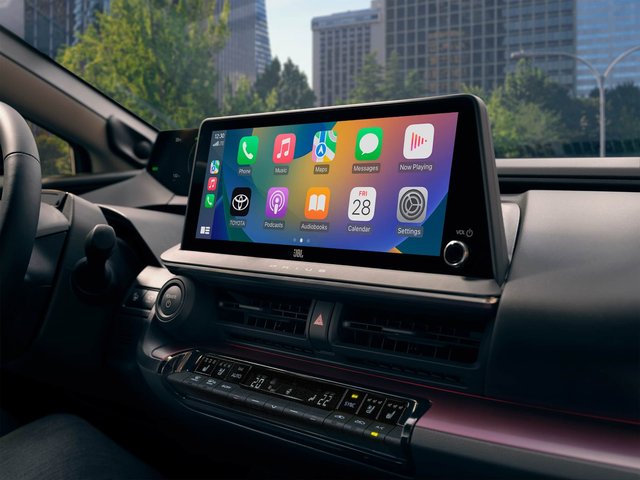
Take some time to explore the features that matter to you. Try the climate controls. Adjust the audio system. Connect your phone if appropriate. Test the steering wheel controls. Check how easy it is to access the information you need while driving.
You don't have to test every button.
Instead, focus on the features you know you will use regularly.
If you commute every day, perhaps the audio and climate controls are important. If you regularly travel with passengers, try adjusting the rear seating or checking the available storage. If you have a long driveway or garage, pay attention to how easy it is to get in and out.
8. Bring the People Who Will Actually Ride With You
If you're buying a family vehicle, don't do all your testing alone.
If possible, bring the people who will regularly be riding in the vehicle. Have them sit in the back seats. Check legroom, headroom, visibility, and how easy it is to get in and out.
If you regularly carry children, sports equipment, groceries, pets, or other passengers, think about those real-world situations while you're there.
A vehicle can feel perfect from the driver's seat and tell a very different story when everyone else gets inside.
9. Think About Your Normal Driving
A test drive should reflect your actual life as much as possible.
If most of your driving involves city streets, don't spend the entire test drive on a highway.
If you regularly travel longer distances, see how the vehicle feels at higher speeds.
If you live somewhere with hills, drive on one if possible. If you frequently use gravel roads or rougher pavement, pay attention to how the vehicle handles those surfaces.
The goal isn't to create every possible driving condition. It is to get a better idea of how the vehicle fits the driving you actually do.
10. Ask Yourself How You Feel Afterward
When you return from the test drive, don't immediately focus on the numbers.
Think about the experience.
Did you feel comfortable? Was the vehicle easy to operate? Could you see well? Did you like the driving position? Did the controls make sense? Was there anything that bothered you?
Most importantly, ask yourself whether you could see yourself doing your normal daily driving in it.
You don't need to fall in love with a vehicle during the first ten minutes. In fact, it can be more useful to think about whether the vehicle simply feels natural and appropriate for your needs.
Don't Try to Test Everything
One of the biggest mistakes people can make during a test drive is trying to evaluate every single feature.
You probably won't remember all of the specifications, and you don't need to.
Instead, focus on the things that will affect your daily experience. How comfortable is it? How easy is it to see? How does it drive? Is it easy to park? Do the controls make sense? Does it have the space you need?
Those are the things you are going to live with long after the test drive is over.
Make Those Ten Minutes Count
A test drive doesn't have to be long to be useful.
Ten minutes is enough time to learn a surprising amount about a vehicle if you know what to look for. Take a moment before you start driving, pay attention to how the vehicle responds, try a few everyday situations, and think about how it fits into your routine.
Specifications can tell you what a vehicle has.
A test drive helps you understand what it is like to live with.
And that may be one of the most important things to discover before making your decision.