Electric vehicles have become a much more common sight on Canadian roads. With improvements in range, charging technology, performance, and available models, more drivers are considering whether their next vehicle should be fully electric.
But is an electric vehicle right for everyone?
The answer isn't necessarily yes, and that's okay. An EV can be an excellent choice for many drivers, but the best vehicle is always the one that fits your lifestyle, driving habits, and priorities.
Before making the switch, there are a few important questions worth asking yourself.
How Much Do You Drive?
Start with the simplest question: how much do you actually drive?
Think about your average week. How long is your commute? How often do you run errands? Do you regularly take longer highway trips?
For drivers with predictable daily routines, an electric vehicle can make a lot of sense. If most of your driving consists of commuting, shopping, appointments, and other regular trips, you may find that an EV fits naturally into your routine.
If you regularly drive hundreds of kilometres at a time without access to convenient charging, however, you'll want to take a closer look at your charging options and the range of the EV you're considering.
Understanding your actual driving habits is more useful than simply looking at the maximum range number.
Can You Charge at Home?
One of the biggest advantages of owning an EV is being able to charge at home.
Instead of making a special trip to a gas station, you can plug your vehicle in while it's parked. Depending on your setup, you can start each day with a charged battery without making charging part of your daily schedule.
If you have access to a garage, driveway, or suitable parking space with charging capability, an EV may be particularly convenient.
If you live somewhere without reliable access to overnight charging, you'll want to investigate the public charging options available along your regular routes.
What Does Your Typical Trip Look Like?
Think beyond your commute.
What happens on weekends?
Do you spend most of your time around town, or are you regularly travelling long distances? Do you visit family in another community? Do you frequently head to the cottage, go camping, or take spontaneous road trips?
There's no single "right" amount of driving for an EV. The important thing is understanding how your vehicle will actually be used.
Today's electric SUVs offer considerably more range than many early EVs, but your individual driving habits still matter when deciding which model and configuration make sense.
Are You Comfortable Planning Around Charging?
For many EV owners, charging quickly becomes just another part of their routine.
Instead of thinking about filling a gas tank every few days, you may find yourself thinking about charging whenever your vehicle is parked for an extended period.
For everyday driving, this can be incredibly convenient.
Longer trips simply require a little more planning. Knowing where charging stations are located along your route can help make road trips easier and more predictable.
The key question isn't whether you'll ever need to think about charging. It's whether charging fits comfortably into the way you already live.
What About Canadian Winters?
This is an especially important question for drivers in Nova Scotia and across Canada.
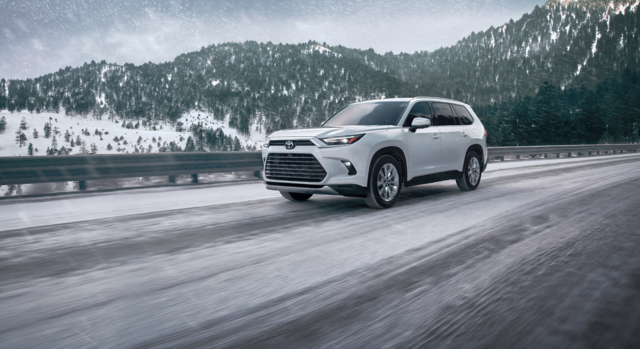
Cold temperatures can affect EV battery performance and efficiency. Winter driving can also increase energy consumption because your vehicle needs energy for heating the cabin and other systems.
That doesn't mean EVs aren't suitable for Canadian winters. It simply means winter conditions should be part of your decision.
Features such as battery preconditioning can help prepare the battery for charging in colder temperatures, while heated seats and heated steering wheels can provide cabin comfort without relying entirely on cabin heating.
If you're considering an EV, it's worth asking how the specific vehicle is designed to handle the climate where you live.
Do You Need All-Wheel Drive?
Your answer may depend on where and how you drive.
All-wheel drive can provide additional traction and confidence in a variety of conditions, which can be particularly appealing to Canadian drivers.
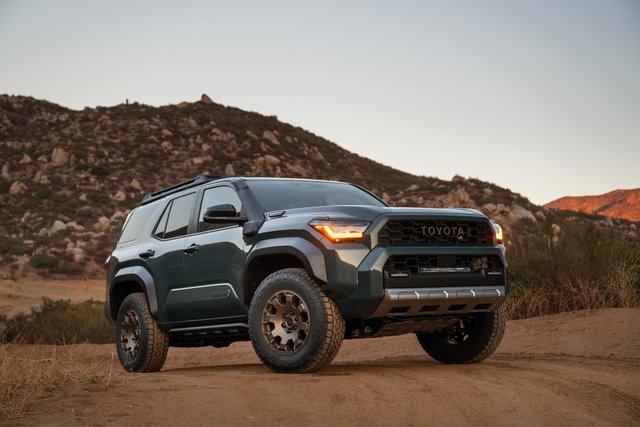
Toyota offers all-wheel-drive options across its electric SUV lineup, including the 2026 Toyota bZ. The 2026 bZ Woodland goes a step further with standard all-wheel drive and X-MODE, along with increased ground clearance for drivers who want additional capability.
That makes it worth thinking about whether you're primarily looking for an efficient electric commuter or something better suited to outdoor adventures.
What Kind of Vehicle Do You Need?
Choosing an EV doesn't mean you have to give up practicality.
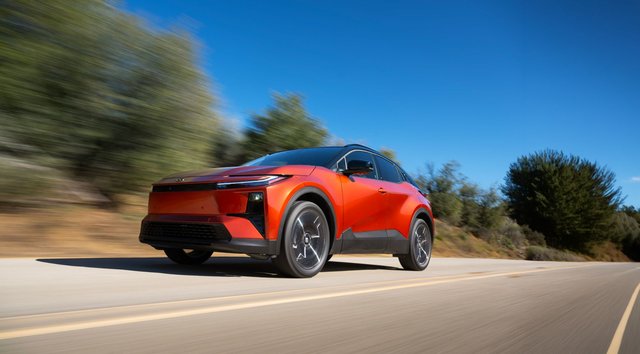
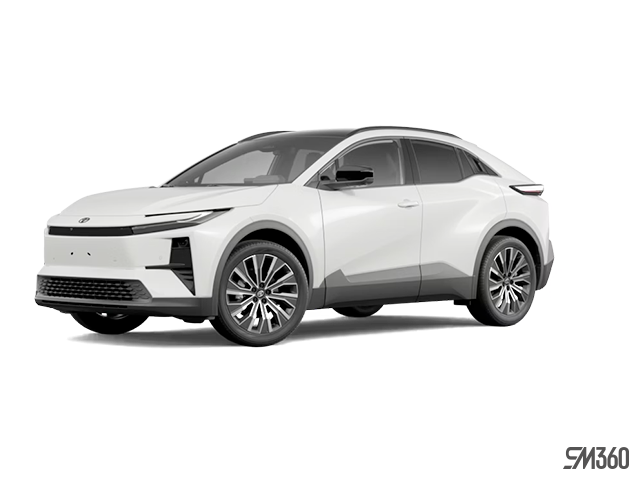
The 2026 Toyota bZ is designed as a versatile electric SUV, offering a balance of range, technology, comfort, and everyday usability.
The all-new 2026 Toyota bZ Woodland takes a more adventure-oriented approach, offering additional cargo space, increased ground clearance, standard all-wheel drive, and up to 3,500 pounds of towing capacity.
The choice comes down to what you need.
If your vehicle spends most of its time commuting and running errands, the bZ may be a natural fit.
If your weekends involve camping, outdoor equipment, trailers, or rougher roads, the additional capability of the bZ Woodland may be worth considering.
Are You Looking at the Long-Term Picture?
It's easy to focus on what an EV costs today, but ownership involves more than the purchase price.
Electric vehicles don't require conventional engine oil changes, and their electric powertrains have fewer moving parts than traditional gasoline engines. However, EVs still require maintenance, including tire care, brake inspections, and other scheduled services.
Your electricity costs will also depend on factors such as your driving habits, charging location, and electricity rates.
Looking at the entire ownership experience can help you determine whether an EV makes financial sense for you.
Are You Ready for a Different Driving Experience?
An EV doesn't just use a different type of powertrain. It can feel different behind the wheel.
Electric motors deliver power smoothly and immediately, without the traditional gear changes many drivers are accustomed to.
There's also the quietness. Without a conventional gasoline engine operating under the hood, electric vehicles can provide a remarkably quiet driving experience.
For some drivers, these differences are among the biggest reasons they enjoy making the switch.
For others, the familiarity of a gasoline or hybrid vehicle may still be more appealing.
There's no wrong answer.
Do You Need an EV, or Would a Hybrid Make More Sense?
This is perhaps the most important question of all.
You don't have to choose between a gasoline vehicle and a fully electric vehicle.
Toyota's lineup includes hybrid and plug-in hybrid options that can provide an alternative for drivers who want improved efficiency without completely changing how they fuel their vehicle.
A hybrid may be particularly appealing if you want better fuel efficiency while retaining the convenience of filling up at gas stations.
A plug-in hybrid can offer another option by combining electric driving for shorter trips with a gasoline engine for longer journeys.
The right powertrain depends on how you drive.
Is an EV Right for You?
There's no universal answer.
For some drivers, an electric vehicle can offer an excellent combination of efficiency, quiet performance, modern technology, and everyday convenience.
For others, a hybrid, plug-in hybrid, or gasoline-powered vehicle may better match their current lifestyle.
The important thing is to make the decision based on your driving habits, not simply what's popular.
Before making the switch, consider how far you drive, where you can charge, how you travel in winter, what you carry, and what you expect from your vehicle over the next several years.